 CN
CN
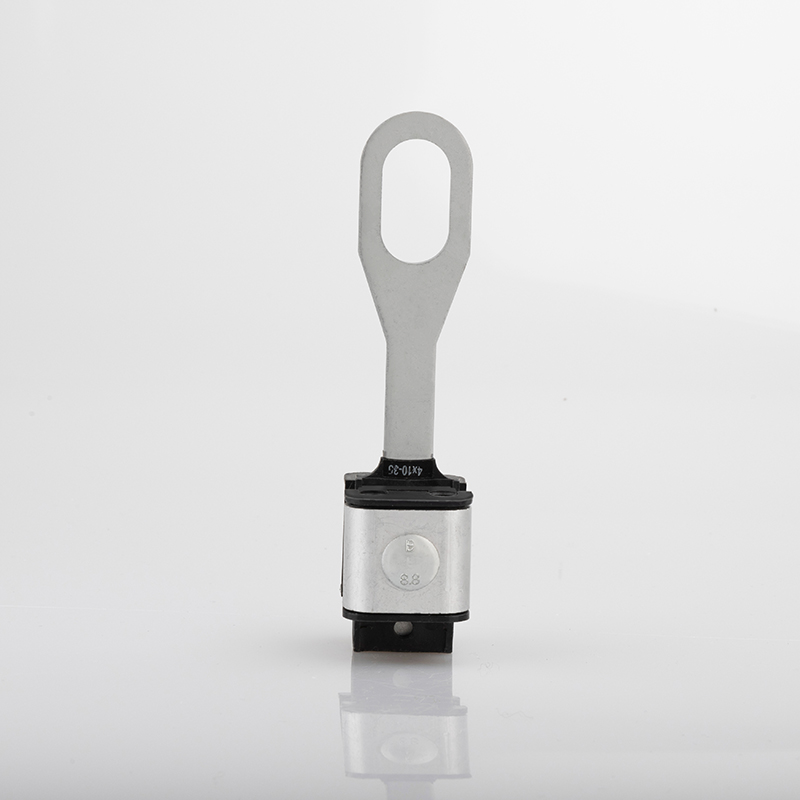
Aluminium Alloy Tension Clamps are key products for securing conductors in installations. Due to their effective qualities like durability, high strength and lightweight, these clamps are widely used in construction. In this review, we will discuss the major sorts of Aluminium Alloy Tension Clamps, their popular standards and technical specifications, and important aspects to take into consideration during the choice.
Main Types of Aluminium Alloy Tension Clamps
Different applications utilize aluminum alloy tension clamps that are available in different designs. Here are the most commonly used designs.
1. Compression Clamps: Clamps employ the principle of compressive force to fix the conductors in place, making them perfect for applications that require high tension.
2. Bolted Clamps: These clamps have a bolted design which permits simple installation and adjustment for different levels of tension.
3. Wedge Clamps: These clamps have been designed with a wedge mechanism for holding conductors firmly and provide good tension. They too can be opened and closed easily.
Common Standards and Specifications
To guarantee the quality and safety of Aluminium Alloy Tension Clamps, it is essential to comply with particular standards and specifications. Some important standards are:
IEC 61284: The standard sets out the basic requirements for overhead line accessories so that they can be utilized for power installation purposes.
ANSI C119.4: This particular Standard outlines the performance requirements for connectors meant to be used in transmission and distribution lines among others.
Key Factors for Selection
It is necessary to consider the different things that need to be taken into account when choosing the right type of Aluminum Alloy Tension Clamp, including:
Conductor Type: The suitability of the clamp design and material will depend on the type of conductor used.
Load and Operating Conditions: Being aware of theanticipated stress and atmospheric conditions plays a critical role in getting the appropriate clamp for maximum efficiency and durability.
Installation Ease: Consider clamps that offer straightforward installation, maintenance, and adjustment.
Installation and Application Tips
It is important to properly install Aluminium Alloy Tension Clamps in order to avoid any kind of operational issues. The following instructions may help:
1. Follow Manufacturer Guidelines: Always adhere to the manufacturer’s installation guidelines to avoid compromising clamp integrity.
2. Ensure Proper Alignment: Misaligned clamps can lead to uneven tension distribution and potential damage.
3. Conduct Regular Maintenance: Routine inspections and maintenance activities assist in detecting issues before they become a big problem, thus assuring durable reliability.
FAQ
1. What are the advantages of using Aluminium Alloy Tension Clamps?
The popularity of Aluminium Alloy Tension Clamps can be attributed to their low weight, resistance to corrosion, and high durability that allows their use in outdoor applications for an extended period of time.
2. Can Aluminium Alloy Tension Clamps be used in all weather conditions?
Indeed, these clamps are made to perform well in difficult environments, whether that’s a hot or cold climate, or if there’s a lot of moisture in the air.
3. How do I determine the right size of tension clamp for my application?
To select the appropriate size, analyze the diameter and kind of the conductor, consider the tension that is required and determine that the clamp meets the appropriate requirements for your application.
Recognizing the main types, specifications, and criteria involved in the selection of Aluminium Alloy Tension Clamps is crucial for individuals involved in electrical installation activities. By making informed decisions and observing the recommended practices to be adopted during installation and maintenance procedures, people can ensure safety, efficiency, and longevity of their electrical systems.
Post time: Sep-10-2026