 CN
CN
Parallel Groove Clamps are considered to be important elements in the electrical and telecommunication industries that enable proper electricity connectivity and distribution. Hence, it is important to have a good understanding of their types and working principles. In this article, we are going to define parallel groove clamps and explore their types, mechanisms of operation, main applications, and benefits.
What Is a Parallel Groove Clamp?
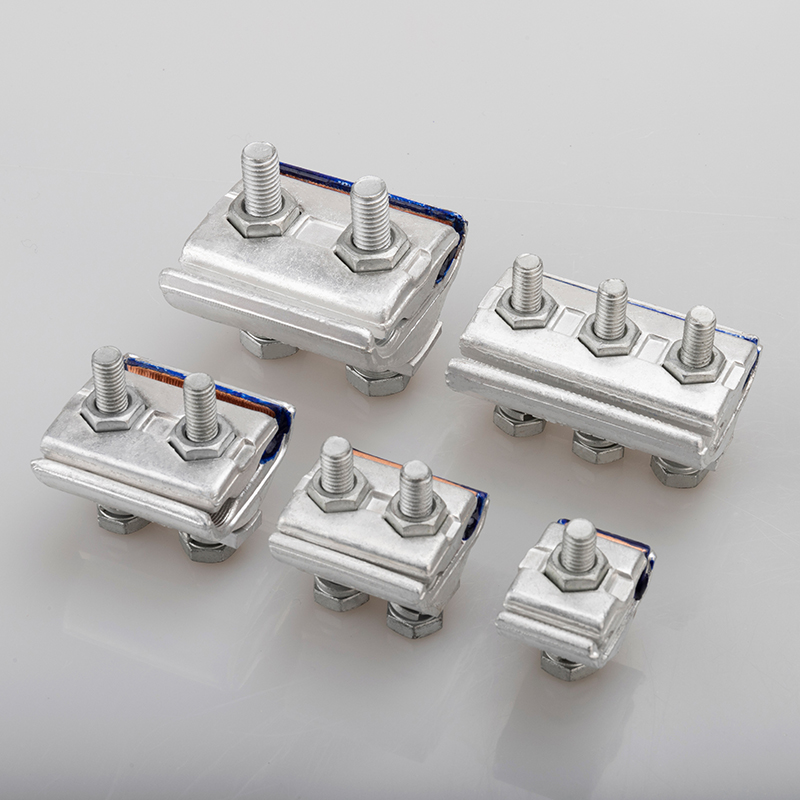
A parallel groove clamp is a commonly used tool for joining wires in power supply lines and telecommunication systems. A parallel groove clamp connects two wires by clamping them together, achieving effective electrical conduction. These clamps are also made in such a way that they do not corrode easily, making them suitable for various outdoor applications.
How Parallel Groove Clamps Work
The working principle of a parallel groove clamp can be broken down into three key steps:
Design: The device consists of two matching grooved plates or bodies that are put side by side on circular conductors.
Tightening: One or more bolts and nuts fasten the plates together, generating stable mechanical pressure.
Connection: This pressure forms a secure, low-resistance metal-to-metal electrical path.
This mechanical link ensures that sufficient contact pressure is available to enable effective current flow while also preventing any slips of the conduction materials. The superior conductivity and good grip are achieved by choosing the right materials and by the right installation of the connection.
Main Types of Parallel Groove Clamps
The types of parallel groove clamps are classified mainly according to the materials of the clamps and the purposes where these clamps should be used:
1. Aluminum Parallel Groove Clamps: These clamps are made from aluminum, which makes them easy to handle and free of corrosion; hence they can be used on overhead transmission lines.
2. Parallel Groove Clamp Connector: This kind of connector is meant for making a steady and dependable connection between two cables. They vary in size according to cable size.
3. Parallel Groove Connector: Commonly used in electrical distribution systems, these connectors provide low resistance and low voltage drop through them.
Key Applications and Features
Features and uses of parallel groove clamps differ. Each of them provides specific advantages.
Material: Usually constructed of aluminum alloys, copper alloys, or a combination of two metals (having copper components to avoid the occurrence of galvanic corrosion).
Applications: Frequently employed in contexts with low tension applications, such as transmission lines, substations, and jumper loops.
Durability: These clamps have spring washers and a coating that resists corrosion thus they can bear different kinds of weather conditions, vibrations, and varied temperatures.
Benefits of Parallel Groove Clamps
Parallel Groove Clamps are very useful in multiple fields, from energy transmission to telecommunication maintenance. Here are some notable advantages:
1. Versatility: Suitable for different conductor materials, sizes, and environmental conditions.
2. Durability: Made to withstand harsh weather, offering a long-term solution for outdoor use.
3. Simple Installation: The clamps can be installed without a lot of tools used thus saving money on labour.
4. Cost-Effectiveness: Reasonably priced and available in various configurations that meet different needs for various projects.
5. Dependability: This will guarantee steady and safe conduction path as well as minimize the chances of any power cut-offs.
Selecting the correct parallel groove clamp is vital in order to take full advantage of these benefits and to ensure top performance in certain situations.
Frequently Asked Questions (FAQ)
Q: What materials are typically used in manufacturing Parallel Groove Clamps?
The parallel groove clamps, which tend to be fabricated using aluminum, copper, or even a combination of the two due to their notable conductivity and corrosion resistant qualities are known for their efficiency.
Q: Can Parallel Groove Clamps be reused?
Yes, a number of parallel groove clamps are intended to be reused. However, they should be checked carefully for wear and integrity before being reinstalled.
Q: What are the safety considerations for installing Parallel Groove Clamps?
It is essential to have the clamp installed by qualified professionals to guarantee that the conductors are placed properly in the grooves. Regular inspections are suggested to maintain safety and performance over time.
Parallel Groove Clamps play an essential role in ensuring smooth performance and stability of electrical and telecommunications systems. Owing to their durability and easy installation, Parallel Groove Clamps are the preferred connectors in various industries. With knowledge of the types and working principles of these devices, the stakeholders will be able to make the right choice in accordance with their project requirements, ensuring successful implementation of the devices.
Post time: Sep-08-2026