 CN

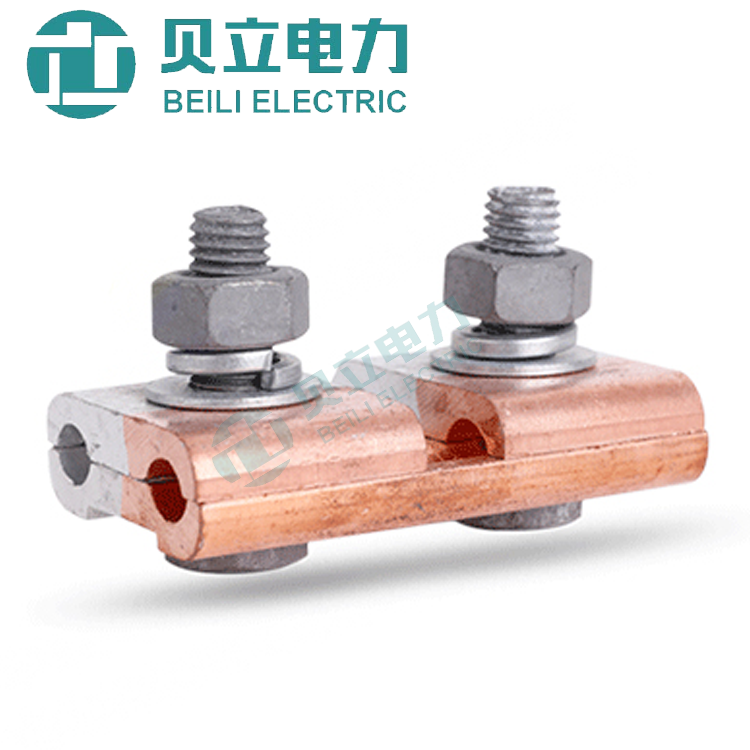
Parallel groove clamps are necessary components that guarantee reliable connections on overhead line networks, providing a means of linking electrical conductors when needed. The effective upkeep of these clamps will be directly related to safety measures and the overall work efficiency. The provided guide contains straightforward and useful tips for prolonging the service of clamps.
Why Parallel Groove Clamp Maintenance Matters
Clamps are essential for maintaining a consistent flow of electricity and enduring environmental factors. Lack of maintenance can result in a connection failure, as a result of increased resistance. Being regularly checked will guarantee a long-lasting service with electric companies and telecom and renewable energy companies.
Inspection Checklist for Parallel Groove Clamps
Structured routine inspections help catch problems early. Focus on the following:
Examine the exterior for wear, rust, or physical destruction, particularly in outdoor or industrial settings.
Electrical continuity: Utilize a meter to confirm minimal resistance and good electrical connectivity. Bad readings suggest corrosion or poor connections.
Assessing Bolt Tightness: Make sure the bolts are tight. Temperature fluctuation and vibrations can cause parts to loosen. Be especially attentive to parallel groove clamps that only use one bolt, as these are more problematic.
Talent Compatibility: Ensure compatibility with conductors to avoid galvanic corrosion when using bimetallic parallel groove clamps.
Effective Cleaning and Surface Protection
Various pollutants such as dust, grease, and even bird excreta can affect the performance of the clamps. Cleaning includes:
Utilize either a damp cloth or a soft brush to eliminate the grime. In cases of stubborn stains, distilled water combined with a gentle cleaning agent will work best. Avoid using rough cleaning tools or powerful cleaning agents that may harm the hydraulic systems, particularly in the case of copper types. After cleaning, always use anti-corrosion grease or substances recommended by the manufacturer to protect the metals from water and other harmful substances.
Torque Checking and Re-Tightening Tips
Proper torque is crucial for durable connections. Follow these steps:
The use of an appropriate torque wrench is required while following the instructions from the manufacturer. This guarantees that the bolts are not overtightened or less tightened. In addition to this, it is also important to keep a record of the work done and replace damaged parts.
Recognizing and Addressing Corrosion
Corrosion can manifest as color changes, holes, or powdery deposits. It affects not only the machine’s structural strength, but its electrical conductivity as well.
Green patina is typically seen on copper clamps; white crusting can appear on aluminum. Minor corrosion can be removed using the appropriate pads; however, severely corrosion-damaged clamps must be replaced. Use corrosion-inhibiting substances, and ensure that the conductors are compatible with the materials used for the clamps to avoid further corrosion.
Frequently Asked Questions
How often should parallel groove clamps be inspected?
At least annually in normal conditions; every 3–6 months in coastal, humid or polluted areas.
Can a corroded clamp be cleaned and reused?
Light corrosion can be cleaned and re-greased; heavy corrosion, holes or powdery deposits mean replacement.
What causes bolts to loosen over time?
Temperature swings, vibration and thermal cycling—single-bolt clamps are especially prone.
When should I upgrade to bimetallic clamps?
When joining dissimilar conductors (e.g., copper to aluminum) or working in corrosive environments.
Choosing and Upgrading Clamps
Whenever maintenance indicates that replacements or upgrades are needed, make sure the new clamps comply with the operational needs. For adverse environments, consider bimetal versions or those with better coatings. Always choose products that meet original specifications or beyond.
Environmental Impacts and Maintenance Planning
Maintenance needs are affected by humidity, salinity, pollution and temperature changes. In such environments, increase inspection and cleaning frequency and consider extra protection such as weather shields. Supplier recommendations help you choose the best clamp for your site.
Maintaining parallel groove clamps is essential for a reliable, efficient electrical network. Structured inspections, proper cleaning, torque management, timely corrosion treatment and careful selection together support safety and longevity. Well-designed routines and skilled personnel are key—make clamp care part of your asset management to ensure longer, safer service life for all connections.
Post time: Oct-22-2026