 CN

High Voltage Piercing Connectors are key elements of electrical systems, which make cable connections effective and reliable without stripping the insulation. This technology is widely used in electric engineering and power supply, and understanding the principles behind it will help the customers make smart purchases and create highly efficient power systems. This guide will provide information on the design, applications, regulations, and other important things to know for customers and specialists.
What Is a High Voltage Piercing Connector?
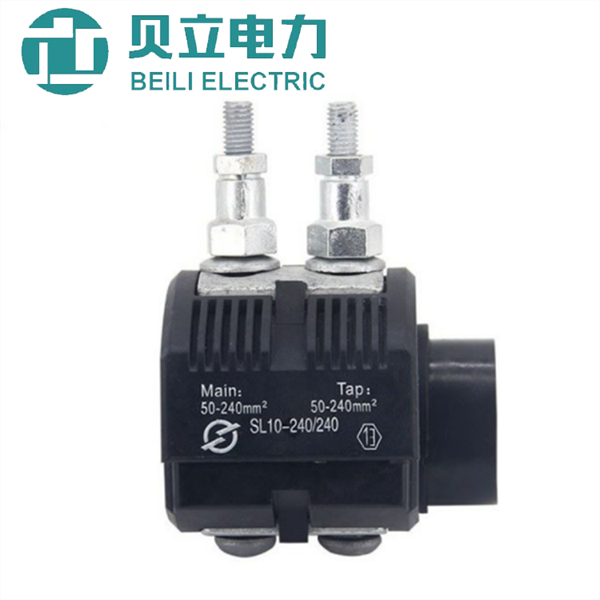
The High Voltage Piercing Connector enables the creation of direct electrical contact with a conductor by piercing through the cable insulation. This method eliminates the need for traditional stripping thereby allowing for fast and reliable installation. This design leads to lower labor costs and lower risk of the damage of the wire leading to the popularity of high voltage piercing connectors.
Key Applications and Benefits
The high voltage pierce connectors are widely used in power distribution systems, substations, renewable energy initiatives, and commercial establishments due to their versatile nature. The connectors facilitate easy connections which cut down both the installation duration and human error. The connectors improve the safety of operations, are low maintenance, and lower the chances of poor connection due to either loose connections or bad contacts.
Among the other benefits are better corrosion resistance, compatibility with various cable types, and conformity with global standards. In addition to that, their perfected design facilitates easy branching, tapping and repairing work in increasingly expanding networks as well as demanding energy applications.
Material and Structural Design
The selection of good quality materials and efficient construction methods contributes to the extended lifespan and reliability of connectors. The majority of connectors consist of conductive aluminum or copper alloys that are safeguarded by anti-corrosion coatings. High-tech plastics and thermoplastic elastomers guarantee insulation integrity and dielectric strength essential for the high-voltage applications.
Piercing blade design has its geometry optimized in the quest to maximize the amount of contact while ensuring that the conductor is not damaged. Features such as vibration resistance and thermal expansion compensation are built into the system to enable reliable connection under all conditions.
Key Performance Parameters
Connector reliability is measured by several critical factors:
- Contact Resistance: Must remain low to avoid overheating.
- Current-Carrying Capacity: Correct rating prevents overload.
- Mechanical Strength: Withstands physical stress and vibration.
- Insulation Integrity: Maintains dielectric properties post-installation.
- Thermal Performance: Efficient heat dissipation under load.
Manufacturers make a point of supplying datasheets that have detailed information on all of these parameters. Making sure that the connector is appropriate for an application’s requirements is important in terms of both safety and performance.
Safety Standards and Compliance
Strict regulations from IEC, UL, and ANSI control the manufacturing and testing of high voltage connectors. They cover such areas as dielectric strength, mechanical pull, corrosion resistance, and thermal cycling tests to satisfy the laws of various countries, both local and international. The materials used in high voltage connectors must also comply with laws such as RoHS and REACH.
Purchasers must verify the certifications and obtain the compliance documents in the procurement process to make sure all installed connectors comply with legal and operational specifications.
How Environmental Conditions Affect Performance
The longevity and efficiency of high voltage piercing connectors are affected by a multitude of elements in the environment including temperature changes, humidity, exposure to UV rays, and pollution levels. In places with harsh environments, selecting waterproof and anti-corrosive designs becomes very important. Manufacturers provide products that are appropriate in each location and condition as long as they remain effective.
Installation Practices and Common Mistakes
It is imperative to follow the installation guidelines for maximum effectiveness. Adherence to torque specifications, compatibility with cable size and post-installation testing contribute to fault occurrence reduction. Frequent blunders to keep in mind include improper application of torque, cable and connector size mismatch and sealing requirements violation.
Frequently Asked Questions
Do high voltage piercing connectors require cable stripping before installation?
No. They establish contact by piercing through the insulation directly, which saves installation time and reduces the risk of conductor damage.
What should I check to confirm a connector meets legal requirements?
Ask the supplier for certification documents and compliance records covering standards such as IEC, UL, and ANSI, and verify the materials meet RoHS and REACH requirements.
Are these connectors suitable for coastal or polluted areas?
Yes, provided you select waterproof and anti-corrosive versions. Temperature swings, humidity, UV exposure, and pollution all affect service life, so choose products designed for the specific environment.
What installation mistakes most often cause problems?
The most common ones are incorrect torque, mismatched cable and connector sizes, and failure to meet sealing requirements. Following torque specs and testing after installation helps prevent faults.
High Voltage Piercing Connectors provide quick, secure, and dependable solutions for complicated power systems. Through prioritizing quality of the materials, engineering brilliance, performance benchmarks, and correct execution of installation operations, both customers and engineers can guarantee sustainable operation and compliance of their end products. Keeping up with the latest trends and environmental changes will help to maintain stable electrical connections in the energy landscape of tomorrow.
Post time: Oct-24-2026