 CN

Modern electrical energy transmission realizes increased reliability and safety with the use of cutting-edge elements. The Double Split Damper Spacer is one of the mind-blowing innovations in the area of conductor bundle management, which allows for greater electrical and mechanical performance. This article is designed to help readers become acquainted with the design concepts, structures, installation methods, and advantages brought about by the use of this element.
Design and Structure of Double Split Damper Spacer
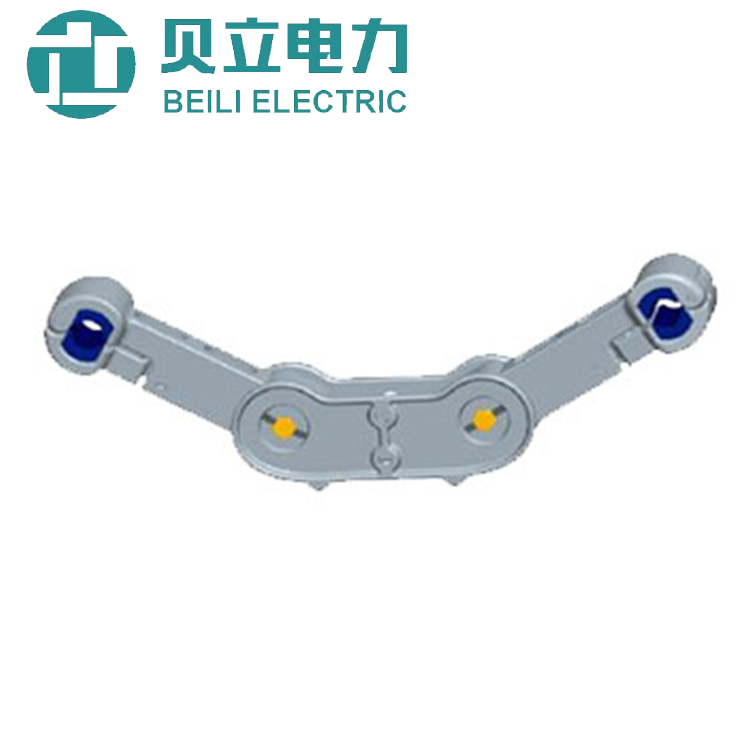
In terms of engineering, the Double Split Damper Spacer has two halves that fit together. The material used is usually durable alloys or corrosion-resistant compounds. Because the damper spacer can be split open, it can be placed easily around any bundle of wires without any issues. The use of IT ensures that the spacer fits correctly around whatever it has been used on.
Functional Advantages of the Split Design
The double split design has the main advantage of ease of accessibility. When installing or changing the spacers, the need to disconnect the bundle is eliminated, thus saving time and reducing the inability to carry out maintenance. The equal division of load by two halves protects strands. At the same time, the built-in damping prevents the oscillation and mechanical fatigue that may be caused by wind.
Key Benefits for Conductor Bundles
The Double Split Damper Spacer delivers:
Improved vibration management is vital for minimizing mechanical breakdowns. Correct positioning of the conductors is a must to limit electrical disturbances and improve operational efficiency. High-quality materials help withstand environmental impacts. These characteristics make the double split damper spacer a perfect solution for modern day transmission lines.
Installation and Fit Considerations
In the process of installation, half-shells are placed over the conductor bundle and fasteners tightened per the manufacturer’s instructions. Damping elements should be properly positioned in order to achieve full contact and the split joint’s secure locking. Compatibility with conductor diameter is required to ensure no slip occurs and proper spacing is maintained.
Double Damper Spacers vs. Standard Spacers
| Feature | Double Split Damper Spacer | Standard Spacer |
|---|---|---|
| Design Structure | Split, interlocking halves for easy installation | Single piece, usually requires disassembly for replacement |
| Installation | Quick fit around conductor bundles, suitable for live-line work | More complex, may require shutdown |
| Vibration Damping | Integrated damping inserts to reduce oscillations | No vibration damping features |
| Conductor Protection | Even force distribution, minimizes damage | Risk of uneven force, possible conductor wear |
| Adaptability | Ideal for upgrades, retrofits, maintenance without full disassembly | Less adaptable, suitable for new installations |
| Maintenance | Easy access, reduces maintenance time and labor | Time-consuming maintenance, increased downtime |
| Durability | High-strength materials, corrosion-resistant | Standard materials, may require more frequent replacement |
Emerging Trends and Practical Applications
Operators of electrical utilities and grid systems are utilizing [double-split damper spacers] for AC transmission lines operating at high voltages, as well as in areas where renewable energy is generated and in situations where mechanical strain may occur. Modern day double-split damper spacers now come equipped with smart technology, which also helps utilities to manage their operations with ease.
Frequently Asked Questions
Can a double split damper spacer be installed on a live line?
Yes, that is one of its main advantages. Since the two halves clamp around the conductor without disconnecting the bundle, it suits live-line or maintenance work where shutdowns are costly. Always follow local live-line procedures and tool requirements.
How do I confirm the spacer fits my conductor diameter?
Check the manufacturer’s specified diameter range against your actual conductor size before ordering. An undersized spacer can slip and shift position, while an oversized one may not grip firmly enough to damp vibration effectively.
How often should damper spacers be inspected?
Inspect during routine line patrols, focusing on slippage, loose fasteners, cracked damping inserts and corrosion. After severe wind events or icing, a closer check is advisable since vibration and galloping loads peak under those conditions.
Can damaged damping inserts be replaced separately?
It depends on the model. Some designs allow insert replacement while keeping the spacer body in place, while others require replacing the whole unit. Confirm this with the supplier if minimizing spare-part inventory matters to you.
The investment in Double Split Damper Spacer pays off as it improves the reliability of the conductor, lowers maintenance, and stabilizes electrical performance. The innovative split design makes it easy, flexible, and important for power transmission systems available today.
Post time: Nov-05-2026