 CN

A splice sleeve, also called a fusion splice protection sleeve or fiber splice sleeve, protects cable and fiber optic splices in telecom and electrical work. Whether you install data networks or maintain power networks, understanding splice sleeves helps you get better results. This guide covers splice sleeve types and benefits, how to choose the right size and material, and buying tips.
What Are Splice Sleeves and How Do They Work?
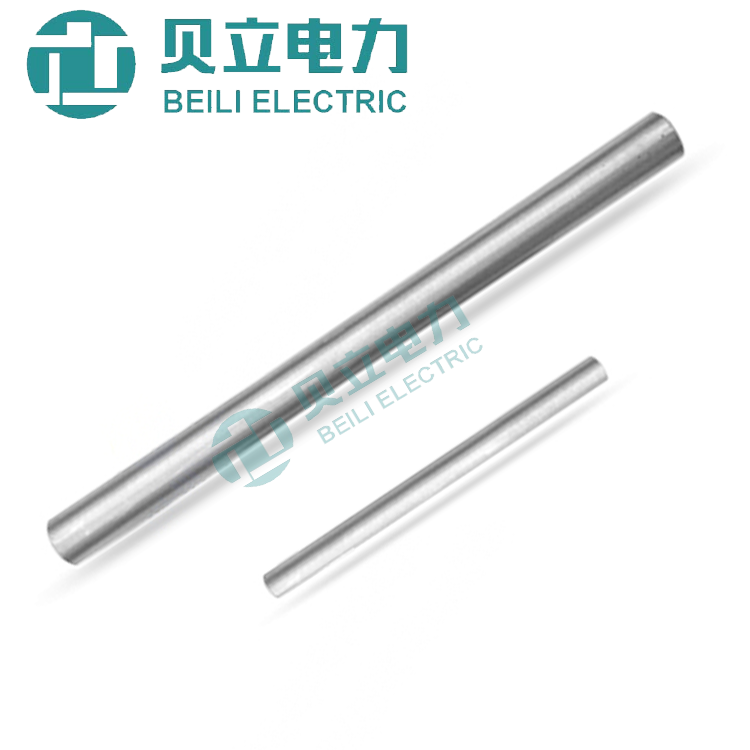
A splice sleeve is a type of protection that surrounds the joint made by two spliced wires, cables, or fiber strains. Its primary function is to protect that joint from environmental effects such as water, dirt, and mechanical stresses. In fiber applications, the splice sleeve protects against microbending; hence retaining quality of signals. In most cases after the joint has been made, splice sleeves are put over the joint and heat is applied, so they shrink around the joint tightly, thus providing additional protection for physical impact.
Core Functions and Benefits
Splice sleeves have a major function, which is protection. They protect splices from physical strain, as well as environmental aspects and electrical problems, all of which may lead to reduced efficiency or even failure of data and power systems. Their advantages are as follows:
Mechanical Protection: Shields against bending, vibration, and accidental pulls.
Environmental Sealing: Ensures resistance to water, dust, and contaminants.
Insulation: Prevents short circuits and corrosion in electrical wire splices.
Signal Preservation: Maintains optical fiber alignment and minimizes signal loss.
Common Types of Splice Sleeves
Different types of splice sleeves are available for different types of cable and fiber; each type serves a specific protection purpose and has unique installation features:
Fusion Splice Sleeves
Mainly utilized in fiber optic technology, these are comprised of a tube which is an outer heating shrink sleeve, and a rod for reinforcement. When heat is applied, this tube shrinks, securing the cooperation and stability of fragile glass fibers.
Mechanical Splice Sleeves
Aiming at situations in which fusion splicing cannot be used, mechanical splicing use some sort of gel or glue to keep fibers aligned and together in a protective casing.
Electrical Wire Splice Sleeves
Either crimp or heat-shrink wires can be used for insulation and strain relief of copper or aluminum wires.
Waterproof and Specialty Sleeves
In difficult settings, sleeves come with protective and durable properties with the help of water-resistant adhesive or special manufacturing techniques that use ribbons or micros fibers.
Choosing the Right Size and Material
The choice of the proper size of splice sleeve is very important. The diameter of the sleeve should be in close contact with the diameter of the spliced fiber or cable, which is necessary for getting an appropriate and protective fit after shrinking. Average diameter of fiber sleeves is in the range of 1.0mm-1.5mm and the standard length is 40mm or 60mm.
The quality of material is equally crucial. Choose fire-resistant polyolefin sleeves with premium metal or ceramic support rods. Material choice determines how firm and strong the item is and how easy it is to install or use the material. In extreme conditions, the sleeves should also be waterproof and resistant to ultraviolet rays.
Installation Best Practices
To maximize the effectiveness and longevity of splice sleeves:
- Make sure the splice area is dry and clean.
- Position the sleeve correctly on the joint.
- Apply the heat evenly to allow even shrinking.
- Let the sleeve cool down prior to handling.
- Check if there are no gaps, air bubbles or misalignments.
The use of appropriate tools and careful craftsmanship guarantees that the network connections are reliable and compliant with all the regulations.
Buying Tips for Splice Sleeves
When purchasing splice sleeves, keep these tips in mind:
Quality: High-grade materials prevent splits and brittleness.
Certifications: Look for compliance with industry standards (Telcordia, UL, RoHS).
Compatibility: Verify suitability for your cable/fiber type and splicing equipment.
Vendor Reliability: Choose reputable suppliers offering technical support and dependable packaging.
Careful buying saves costs by reducing failures and simplifying maintenance.
Frequently Asked Questions About Splice Sleeves
Can I use a heat-shrink splice sleeve without a fusion splicer?
Yes, for mechanical or electrical splices. A heat gun or oven is enough to shrink the sleeve. Fusion splice sleeves, however, are designed to be used with fusion-spliced fibers and need a proper splice protector heater for even shrinkage.
Why does my splice sleeve fail to shrink evenly?
Uneven shrinking usually comes from uneven heat, a dirty splice area, or a sleeve size that doesn’t match the cable diameter. Apply heat evenly along the sleeve and confirm the inner diameter fits the spliced joint.
Do splice sleeves affect signal loss in fiber networks?
A correctly sized and installed sleeve adds negligible loss. Problems arise when the sleeve is too loose, misaligned, or contaminated — all of which can cause microbending and higher attenuation.
How do I remove a splice sleeve for rework?
Cut the sleeve lengthwise with a sharp blade, taking care not to nick the fiber or conductor, then peel it away. Never pull or twist it off, as this can damage the splice or break the fiber.
Conclusion
For protecting, insulating, and effectively supporting cable and fiber splices, splicing sleeves are a must for any professional installation. Choosing the correct sleeve helps prevent failures, maintain quality of signal, and conform with industry requirements. By knowing various types, sizing, installation and purchasing tips, all users may achieve reliable, high quality splices.
Post time: Nov-03-2026