 CN

Secure connections are vital in hydraulic systems whether used for commercial or automotive applications or in any infrastructure project. Leaks and failures may incur significant losses or risks. The hydraulic splicing sleeve can create durable and leak-proof connections and enable rapid repairs. This guide outlines the function and purpose of the hydraulic splicing sleeve, its types and uses, and how to select the most appropriate one. For those involved in maintaining and installing hydraulic systems, it is important to gain insights into these sleeves.
What Is a Hydraulic Splicing Sleeve?
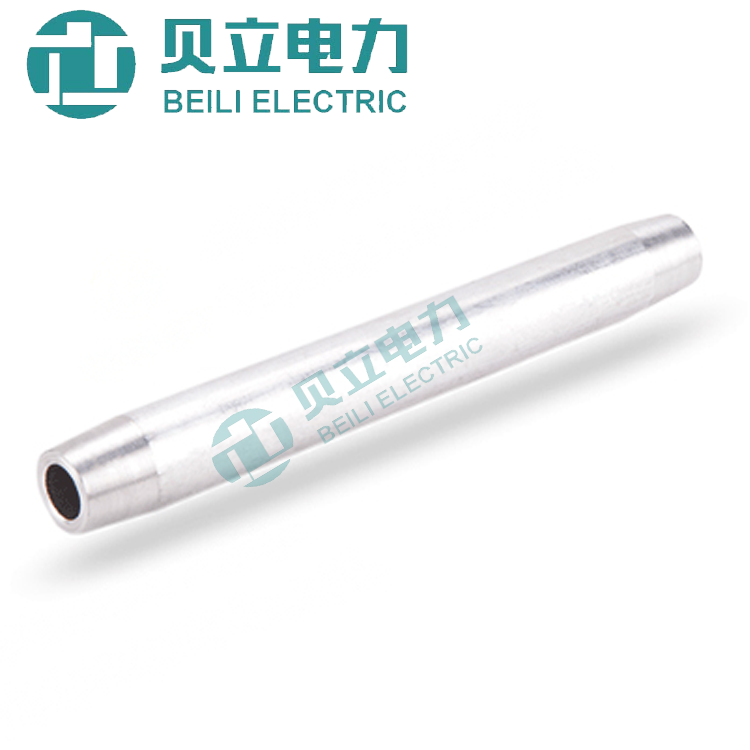
A Hydraulic Splicing Sleeve is a special fitting that is used to connect hydraulic pipes and hoses either while repairing them, or when extending the lines. Unlike normal couplings, these kinds of sleeves are especially meant for use at high pressures and use strong materials such as brass or steel. They have special seals or grooves which ensure that the fit is tight and that leaks cannot take place even if there are pressure changes or vibrations.
How Hydraulic Splicing Works
The splicing process is very simple: the ends of the pipes are cut and prepared, and the sleeve is positioned over the joint. Then hydraulic tools are used to compress or expand the sleeve to hold the pipes in place. When the sleeve is installed, seals like O-rings or rubber gaskets are activated to ensure a secure and leak-proofing connection. The process is efficient because it allows technicians to restore hydraulic integrity without having to replace long parts of pipe.
Common Types of Hydraulic Splicing Sleeves
Hydraulic splicing sleeves come in several types, each suited to different repair contexts:
Compression Sleeves: Installed by compressing over pipe ends, offering durable, permanent connections.
Expansion Sleeves: Using hydraulic equipment, expand the sleeve in the pipe for a watertight seal that is ideal for such cases when it is difficult to access the pipe site.
Removable Sleeves: Secured with external clamps, they allow for temporary fixes and easy replacement.
Self-Sealing Sleeves: Come equipped with integrated seals or gaskets that become active as soon as the device is placed in position, providing instant leakage prevention.
The right type depends on the pipe’s material, system pressure, and installation environment.
Applications of Hydraulic Splicing Sleeves
The hydraulic splicing sleeve is a versatile tool with many useful functions. In factories, they allow quick maintenance and thus causing losses due to downtime. In automotive applications, they are used to fix steering or braking hoses without the need for replacement. In construction and infrastructure projects like bridges or irrigation channels, sleeves are used to adapt hydraulic pipes and extend them. Emergency repairs in challenging situations, from refineries to sea vessels, are also possible due to the speed and reliability that sleeves provide. Sleeves facilitate upgrades to systems without a need for major interruptions.
How to Choose the Right Hydraulic Splicing Sleeve
Selecting a hydraulic splicing sleeve requires careful consideration:
Material and Diameter: Match the sleeve to the pipe’s material and size to ensure compatibility and reliable sealing.
Pressure Rating: Verification of operational pressure of sleeve must be done because wrong ratings can lead to failures and leakages.
Chemical Compatibility: Select sleeves that come with seals capable of resisting any fluids present in your system (oil vs water).
Installation Method: Select a sleeve based on accessibility and available tools, such as compression or expansion types.
Environmental Factors: For extreme circumstances, sleeves featuring coatings that resist corrosion and seals that can withstand high temperatures should be considered.
It is important to always choose well-known manufacturers as this guarantees better compliance with safety regulations and quality requirements.
FAQ: Hydraulic Splicing Sleeves
Can a hydraulic splicing sleeve be used on hoses as well as rigid pipes?
Yes, but the sleeve must match the hose or pipe type. Confirm compatibility before installation, as hoses may need a different design or sealing method.
What happens if I use a sleeve with the wrong pressure rating?
The connection may fail under pressure, causing leaks or rupture. Always choose a sleeve rated above your system’s maximum working pressure.
Can a removable sleeve serve as a permanent repair?
It is mainly for temporary fixes or easy replacement. For long-term reliability, compression or expansion sleeves are usually better.
How do I know which seal material suits my hydraulic fluid?
Match the seal to your fluid type — oil, water-based, or specialty. Some materials degrade with certain chemicals, so check the compatibility chart.
The Future of Hydraulic Splicing Sleeves
The advancements made in the hydraulic sleeve technology include the use of the latest materials and the application of sensors that are able to identify leaks in real time. As the industry is looking for connections that are safe, quick and efficient, the demand for the high-grade splicing sleeves is also increasing. New technologies also focus on green materials, making them environmentally friendly.
Hydraulic splicing sleeves are required devices, since they help in installing, fixing and upgrading the hydraulic pipelines. Familiarity with their characteristics, types and installation ensures successful completion of hydraulic projects, resulting in the increase of productivity, decrease in the amount of delays and rise in safety.
Post time: Oct-29-2026