 CN

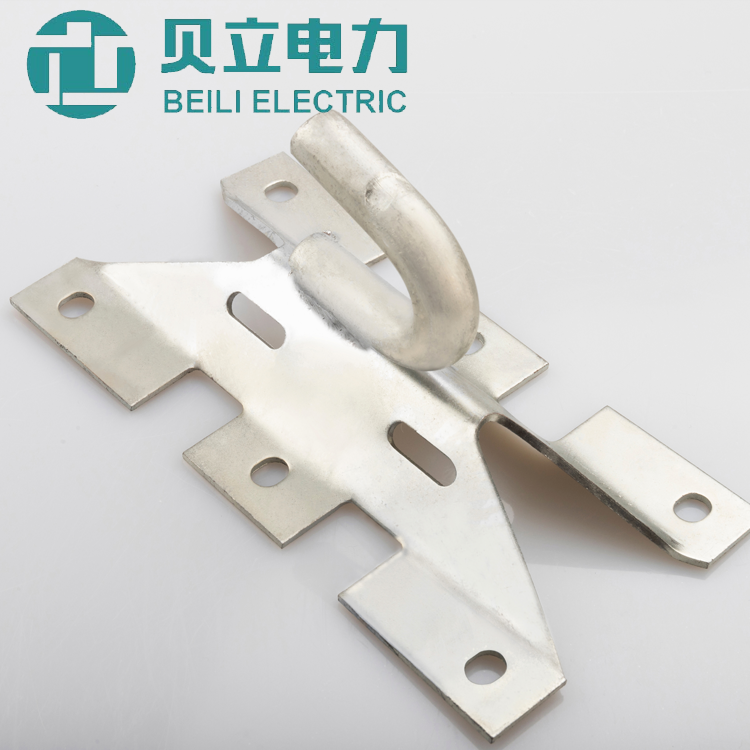
A tension bracket in construction, its engineering, and architecture is a crucial part of construction. Tension brackets differ from typical brackets. which support vertical loads since they are designed to bear and transmit pulling forces, preserving the soundness of the connections.
Tension brackets offer a variety of benefits that include not just the stabilization of structures components but also their strength and reliability. This guide includes everything one should know about various types, workings, tips for buying, and answers to the frequently asked questions related to tension brackets in construction.
What Is a Tension Bracket?
A Tension Bracket provides anchorage for components in relation to tensile (pull) stress. When there is tension that can detach parts of a structure from each other, tension brackets maintain the integrity of the connections. They are essential in the construction of both buildings and machinery.
Common Types of Tension Brackets
The market offers several specialized tension brackets for different requirements:
Tension Rod Brackets: Were holding the tension rods which help in connecting parts of a structure or are being used in making ceilings, roofs, and reinforcements.
The Tension Tie Bracket connects two components to hold them steady and avoid horizontal or slanted forces from affecting them. It is important in wooden building and flooring systems.
Tension brackets are engaging horizontal rods and they restrain stretching forces, and these tension brackets into bridges, curtain walls, and industrial tooling equipment.
This Adjustable Tension Bracket is designed for installations that call for one thing at different lengths, making it efficient for renovation projects and customized architectural applications.
Key Functions and Applications
Tension Brackets serve several essential purposes:
Structural Support: Strengthen connections, girders, and frameworks, ensuring no displacement or collapse.
Structural Stability: Allow the use of huge glass sheets, awnings, and simple designs while remaining discreet about the implementation of equipment.
Application in Manufacturing and Furniture: To keep the machines and furniture stationary with loads, so that they last longer.
Material Selection and Durability
The right material is crucial for tension bracket performance:
Stainless steel as well as galvanized steel, are made to resist oxidation when under extreme corrosion conditions and are very strong materials.
Aluminum: Lightweight and appropriate for applications where weight and ease of handling matter.
The advanced materials categorized as composites tend to have remarkable strength, offering specialized engineering properties.
Manufacturing processes usually entail the use of CNC machining and stamping for consistent, accurate products.
How to Choose the Right Tension Bracket
Picking the best Tension Bracket involves evaluating:
Load Requirements: Ensure the bracket handles the expected tensile forces safely.
Type: Match the bracket style (rod, tie, bar, adjustable) to your specific structural need.
Choosing material and finishing: Choose anti-corrosion materials for outdoor and hostile situations; take note of the aesthetic quality in case it’s exposed.
Modus Operandi Online stability and reliability of the component: Assessment for proper bracket application as per requirements and author’s thorough guidelines.
Certifications: Ensure that the brackets are tested and certified, particularly in terms of structural safety in building structures.
Frequently Asked Questions about Tension Brackets
What is the difference between a tension bracket and a regular bracket?
A regular bracket carries downward loads; a tension bracket resists pulling forces. Using a standard bracket under tension can cause joint separation or failure.
Can I use a tension bracket for both indoor and outdoor projects?
Yes, but match the material to the environment. Outdoor or humid conditions call for galvanized or stainless steel to prevent corrosion.
How do I determine the load capacity I need?
Calculate the maximum tensile force, then choose a bracket rated above it with a safety margin. Consult an engineer or manufacturer if unsure.
Are adjustable tension brackets as strong as fixed ones?
Adjustable models offer flexibility but may have different load ratings. Always check the rated capacity for the specific model.
Tension brackets are critical components in ensuring safety and stability across various structures and installations. Knowledge of the kinds of tension brackets, their uses, and materials used in their manufacture will facilitate the successful completion of your project in terms of its durability and safety. It is necessary to observe specifications, employ proper installation methods, and regularly service the brackets in order to have satisfying results.
Post time: Oct-27-2026