 CN
CN
When it comes to securing pipes and other structures, clamp supports play an integral role. These versatile accessories ensure stability and alignment, making them essential in various applications. But with so many options available, how do you choose the right clamp support for your needs? In this article, we’ll explore the significance of clamp supports, the various types available, key factors to consider before purchasing, and maintenance tips for long-lasting performance.
What Is a Clamp Support and Why It Matters
A clamp support is a mechanical device used to secure pipes, rods, or other structures in place. They are widely used across construction, plumbing, and HVAC industries to maintain the integrity of installations. Properly chosen and installed clamp supports ensure that systems function correctly and safely, reducing the risk of leaks, misalignment, and structural failure. Therefore, understanding the purpose and types of clamp supports can make a significant difference in the performance of your project.
Types of Clamp Supports and Their Uses
Clamp supports come in numerous styles, each designed for specific applications. Here are some common types:
Pipe clamp supports are often used in plumbing to hold pipes securely against walls or ceilings. Their design allows for adjustments in pipe diameter and alignment.
The clamp support bracket is another type that extends functionality, offering more stability. This is frequently used in industrial settings where heavy equipment requires additional support.
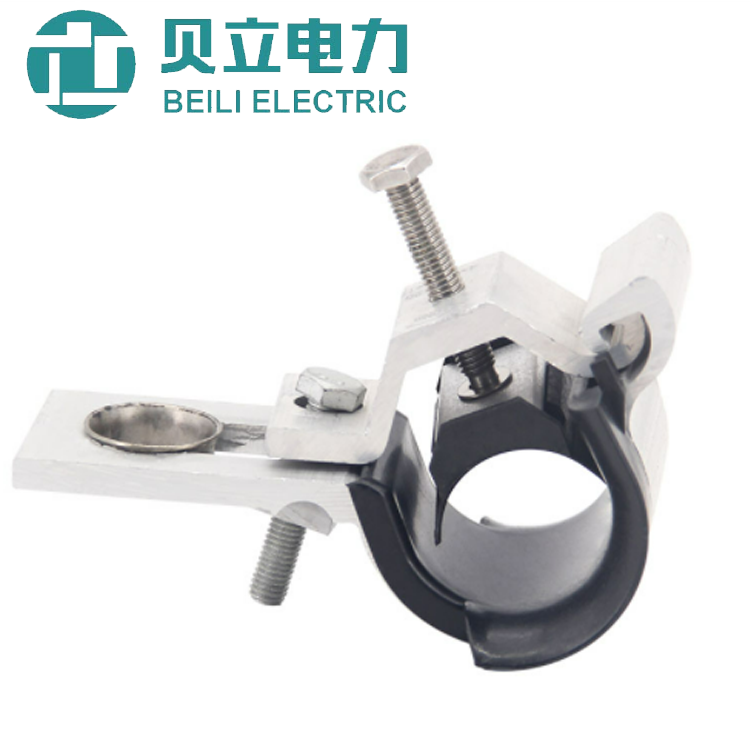
A specific variety is the hanging clamp design intended for supporting insulated aerial cables (ABC). They typically handle cable sizes ranging from 25 to 120mm². These hanging clamps are versatile, allowing for straight or angled installations. They are essential for suspending wires or cables to poles or towers, commonly through the use of a robust fastening system involving screws and clamps. The metal hooks on hanging clamps can be mounted on poles using stainless steel straps and tail hooks or brackets. Furthermore, the hooks of ADSS hanging clamps can be crafted from stainless steel upon request, ensuring durability and strength in harsh conditions.
Choosing the right type depends on the specifics of your project—consider the environment, the weight of the materials being supported, and any potential movement or vibration in the system.
Key Factors to Consider Before Buying
Before selecting a clamp support, several factors need to be considered to ensure optimal performance:
1. Material Compatibility: The material of the clamp should match the pipe or structure it will support. For example, stainless steel clamps are ideal for corrosive environments, while plastic might be sufficient for lighter applications.
2. Load Capacity: Understand the load requirements of your project. Ensure that the selected clamp support can handle the weight and any additional forces that may be applied over time.
3. Size and Dimensions: Proper sizing is crucial. A poorly fitted clamp may lead to leaks or structural failures, so measure carefully before purchasing.
4. Ease of Installation: Some clamp supports come with advanced fastening systems that simplify installation. Consider how much time and effort you want to invest in setup.
Maintenance Tips for Long-Lasting Performance
To ensure your clamp supports perform well over time, regular maintenance is essential. Here are a few tips:
• Regularly inspect the clamps for signs of wear or corrosion, especially in harsh environments.
• Keep the area around the clamp clear of debris and other obstructions to prevent unnecessary strain.
• If visible damage occurs, consider replacing the clamp immediately to avoid safety hazards.
• Ensure that bolts and screws are tightened to the recommended torque specifications to maintain structural integrity.
• For hanging clamps, regularly check the condition of the metal hooks and straps to ensure they remain securely fastened to the mounting surface.
Conclusion
Choosing the right clamp support is crucial for any construction or plumbing project. By understanding the types available and considering key factors such as material compatibility, load capacity, and maintenance, you can select the perfect clamp support to enhance performance and longevity. Engage with your supplier and consult experts to ensure that your choices align with the specific needs of your project. With the right information in hand, you can make an informed decision that will lead to successful results.
Post time: Aug-18-2026