 CN
CN
The U Type Clamp is an important hardware component commonly employed to secure pipes, cables, and rods. Used in construction, plumbing, solar power, automotive, and electrical applications, the U Type Clamp’s design is simple yet versatile providing dependable support and ease of installation. This guide describes U Type clamps and their main types, along with advice on how to install them.
What Is a U Type Clamp?
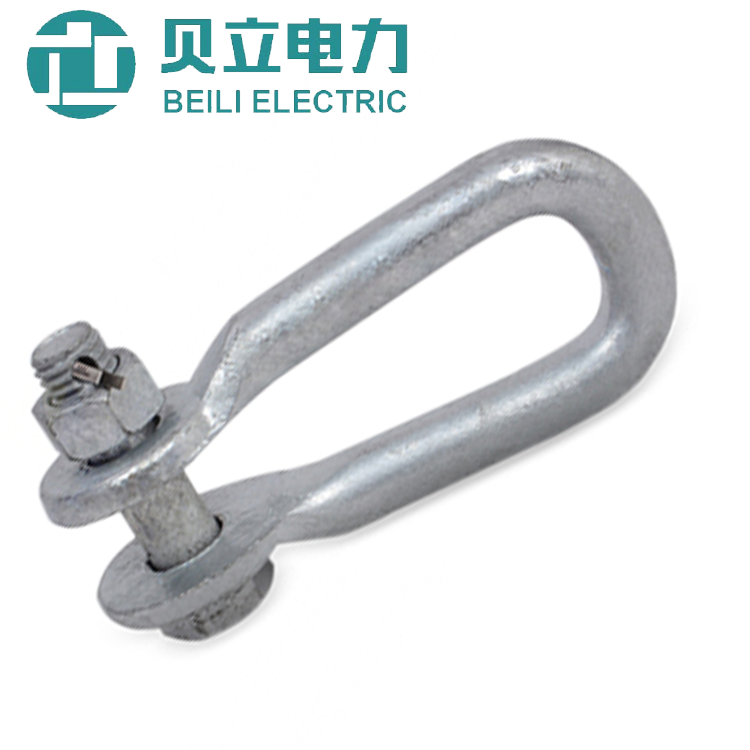
U Type Clamp is a holding device formed in the shape of the letter ‘U’ and used for fixing pipes, cables, or rods on a surface. The clamp wraps around the material, and is fixed by means of screws or bolts inserted into holes on both sides. As the force is applied evenly, U type clamps do not produce vibration and movement.
Types and Applications of U Type Clamps
Despite the fact that all U Type Clamps have the same basic designs, they differ in terms of materials and specifications:
PVC U Type Clamp: Mainly employed in plastic piping applications or electric conduit systems due to their anti-corrosive nature and insulative properties.
Rubber Lined U Clamp: Suitable for purposes requiring vibration absorption such as in automotive or industrial machinery applications.
U Type Clamp for Pipe: Applies in plumbing works, HVAC systems, and gas piping.
Solar U Type Clamp: Has UV resistance and reinforced construction as adequate for outdoor conditions.
Heavy Duty U Clamp: Intended for pipes of large diameter and different construction tasks needing additional efficiency.
Choose the clamp that is compatible with the diameter of your pipe or cable and suits the specific conditions of your task. The use of quality materials such as stainless steel or PVC will ensure a longer service life of the clamp in environments with high humidity or outdoor conditions.
How to Fit a U Type Clamp
The installation process of a U Type Clamp isn’t a complex task but accuracy and meticulous preparation count.
Step 1: Mark Placement: Determine the location for the pipe or cable installation and use a measuring tape and a pencil to make marks where the installation should happen. Place the clamps at regular intervals generally every 1-2 meters for optimum support.
Step 2: Select the Right Clamp: Select a clamp that snugly fits your pipe or cable. Clamps that are either too tight or too loose should be avoided because incorrectly sized clamps can cause leaks or instability.
Step 3: Prepare Mounting Surface: Make sure to prepare the area where the clamp would be applied. Ensure that the beams or walls are rigid enough to support the weight being applied.
Step 4: Drill Pilot Holes: Using a drill, you should create holes at the marked locations which correspond to the holes in the clamp. If it is necessary, use anchors for either drywall and/or masonry.
Step 5: Position and Secure Clamp: Put the wire or pipe in place and place the clamp over it. Use bolts or screws to secure the clamp tightly, although be careful not to over-tighten, which can cause damage to the pipe or the clamp itself.
Carry out these procedures for all the other clamps if needed. In cases of installation in harsh environments, check recommendations from manufacturers regarding protection.
Professional Tips for Reliable Installation
For best results, follow these expert suggestions:
Use Appropriate Materials: Corrosive environments are the best applications for clamps made of stainless-steel and uPVC.
Pay Attention to the Spacing Between Clamps: Close spacing does work best when the clamps have to deal with heavy loads or long pipes.
Schedule Regular Inspections: Check the clamps from time to time for signs of loosening or corrosion. Replace them as necessary.
Consider Expansion or Movement: Allow for movement when the possibility of thermal movement or expansion is present.
Common Installation Mistakes and Solutions
Avoid common pitfalls to keep your installation safe and durable:
Screws that are over-tightened can crush PVC pipes. Clamps should always be tight enough to hold firmly without damaging the pipes.
Using clamps of incorrect size can cause poor efficiency in plumbing and can lead to leakages.
Ignoring environmental factors leads to premature corrosion of plumbing materials, so proper materials should be chosen.
Not having enough space between pipes causes sagging of pipes or displacement from their position; installation must be done properly according to installation guides that exist.
Frequently Asked Questions About U Type Clamps
How Do You Choose the Right U Type Clamp?
Choose a clamp that matches the diameter of your pipe or cable and suits the specific conditions of your task. In humid or outdoor environments, it is recommended to use high-quality materials such as stainless steel or PVC to ensure a longer service life.
How Should You Maintain and Inspect U Type Clamps?
Regular maintenance is of utmost importance. Check the clamps from time to time for any signs of corrosion, loosening, or damage. If any issues are found, replace the damaged parts with new ones that fit the environment of the installation.
What Industries Are U Type Clamps Used In?
U Type Clamps are widely used in construction, plumbing, solar power, automotive, electrical, and many other industries. They are a simple yet versatile fastening solution for securing pipes, cables, and rods.
Maintaining and Inspecting U Type Clamps
It is of utmost importance to do regular maintenance. Check the clamps for any signs of corrosion, loosening, or damage. Replace the damaged parts with new replacements that fit the environment of the installation.
Installing U Type Clamps is simply done, and this solution can be utilized in plumbing, electrical work, solar energy, automotive industry, and other similar industries. Choose the right type of clamp, install it properly, and make sure you check on it periodically to get the best result. You should go for high-quality materials and ask for help from your supplier. This guide enables you to understand how to easily install U Type Clamps on your own and make your project safe and reliable.
Post time: Sep-30-2026