 CN
CN
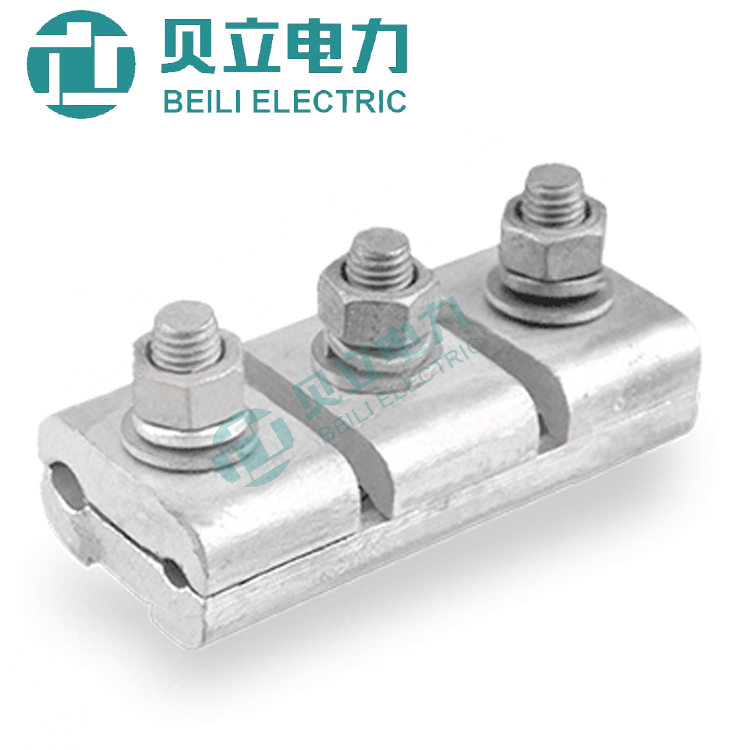
Parallel groove clamps Once the regulators ensure adequate ground between wires they are used in electrical power and ground systems as reliable fasteners for conductors like communication lines and ground cables. Parallel groove clamps are essential components in ensuring electrical transmission and mechanical reliability for utility companies, alternative energy plants, railroads, and municipal power systems. In this tutorial, you will learn about what is a parallel groove clamp, get to know its types, installation guidelines, and useful tips on how to choose the right clamp for your electrical project.
What Are Parallel Groove Clamps and How Do They Work?
Parallel groove connectors are fittings used to connect wires that are positioned parallel to each other. The clamp is made of aluminum alloy, copper, or bi-metal material and has two grooved plates that are tightened by bolts. The grooves actually touch conductor surfaces, which helps the clamp to create strong electrical and mechanical junction without harming the wires.
Benefits and Applications of Parallel Groove Clamps
The clamps are made for flexibility and provide strong and durable connections. They support different sizes of wires, have easy installation with few tools, and ease maintenance. Their resistance to corrosion helps in outdoor application, while their design does not cause unnecessary deformation of conductors. The parallel groove clamps have a wide range of applications like in power distribution and grounding systems, railway electrification, and in solar and wind farms.
Types of Parallel Groove Clamps
Understanding the main types helps you match the right product to your application:
Aluminum Parallel Groove Clamps: Best for aluminum wires, lightweight and resilient to corrosion, they are mostly used in overhead line connections and in solar energy systems.
Copper Parallel Groove Clamps: Used only with copper wires, they provide high current conductivity and are excellent at protecting copper from galvanic corrosion in substations and earthing networks.
Bimetallic Parallel Groove Clamps: Suitable for connecting aluminum to copper wires, these clamps prevent any corrosion at the interface between two metals, which is very important for feeds and transition points.
Insulated Parallel Groove PG Clamps: Provide additional protection against environmental or accidental contact, making them suitable for urban networks and extreme environments.
How to Select the Right Parallel Groove Clamp
It is critical to select the appropriate clamp for maintaining electrical continuity and durability of the system. Some of the important factors are:
Material Compatibility: Ensure that the clamp is made of either aluminum or copper depending on the conductor composition for effective and corrosion-free performance.
Receiver Size: Confirm that the clamp corresponds to the wire diameter and configuration. Fitting the clamp too tightly might weaken electrical reliability as well as mechanical stability.
Environmental Suitability: Examine the environment that the clamps will be installed in. Use special-coated or specially-manufactured clamps if applicable.
Electrical Load: Ensure the ampacity rating is suitable for the current needs of the electrical system.
Regulatory Compliance: Ensure the clamps comply with appropriate standards such as IEC, UL, and IEEE.
Parallel Groove Clamp Installation: Step-by-Step Guide
Correct installation of clamps with parallel grooves is essential for ensuring performance and safety. This is a brief guide to carry out installation.
1. Make sure of the size and type of the clamp that will be used; look for defects in the components.
2. Make sure the conductors are cleansed from oxidation and dirt.
3. Execute alignment of the conductors into grooves correctly.
4. Make sure the bolts are tightened according to the manufacturer’s specifications—neither too much nor too less tightening is preferable.
5. Make sure to check the connection visually and, if required, for electrical continuity.
Maintaining Parallel Groove Clamps
Regular maintenance is crucial to ensure longevity and integrity of the system. The clamps should be examined every six months for any signs of corrosion, mechanical damage or loose screws, particularly in difficult environments. Torque wrench should be used for bolt inspection, and damaged clamps should be replaced immediately. Records should be kept for the inspection frequency and the replacements – this would help facilitate audits and discover repetitive problems.
Frequently Asked Questions (FAQ)
What materials are parallel groove clamps made of?
They are typically made of aluminum alloy, copper, or bimetallic materials, depending on the conductor type and application.
Can parallel groove clamps connect aluminum to copper wires?
Yes, but only bimetallic parallel groove clamps should be used to prevent galvanic corrosion at the metal interface.
How often should parallel groove clamps be maintained?
They should be inspected every six months for corrosion, damage, or loose bolts, especially in harsh environments.
When should a parallel groove clamp be replaced?
Damaged or corroded clamps should be replaced immediately to maintain system safety and reliability.
Parallel groove clamps are trustworthy allies in the making of electrical connections in various sectors. Remember to choose the right style and size of clamp, install it to the letter, and perform regular inspections. With proper application of reliable parallel groove clamps best practices followed, industry standards will be met, and infrastructure will be protected.
Post time: Sep-24-2026