 CN
CN
Strain clamps are key accessories in the electrical and telecommunications sector since they are necessary devices used to hold cables and wires in place. Strain clamps are an important part of overhead lines that help prevent wear and tear caused by climatic or other conditions. The content of this article will describe the various types of strain clamps, their applications, as well as aspects to pay attention to during the process of choosing and using these devices.
What Is a Strain Clamp and How Does It Work?
A strain clamp is an apparatus that is meant to fix wires and cables under tension, mainly for use in electric and communication wires. The working of these clamps basically involves applying a uniform pressure around the wire, minimizing its motion and keeping it in position against the actions of the wind, the vibrations, or any other outside impact. Strain clamps employ different types of mechanisms to ensure security and stability while being installed, especially over larger distances.
Types of Strain Clamps
Different types of strain clamps exist today for different applications. Here are some examples of strain clamp types.
1. Steel Strainer Clamps: Made of heavy-duty steel, these clips work perfectly for major operations. They come in handy when used in strong-wire systems that require strength.
2. Fence Strainer Clamps: Fence strainer clamps are frequently applied in agricultural work, but their primary purpose is to hold fence wire. In this way, they provide the necessary tension to keep the wire in good shape and properly working as a fence.
3. Composite Strain Clamps: Composite strain clamps, being lightweight and corrosion-resistant, are becoming widely adopted in electrical and telecommunication applications. These strain clamps can be easily handled and installed, which makes them suitable for several applications.
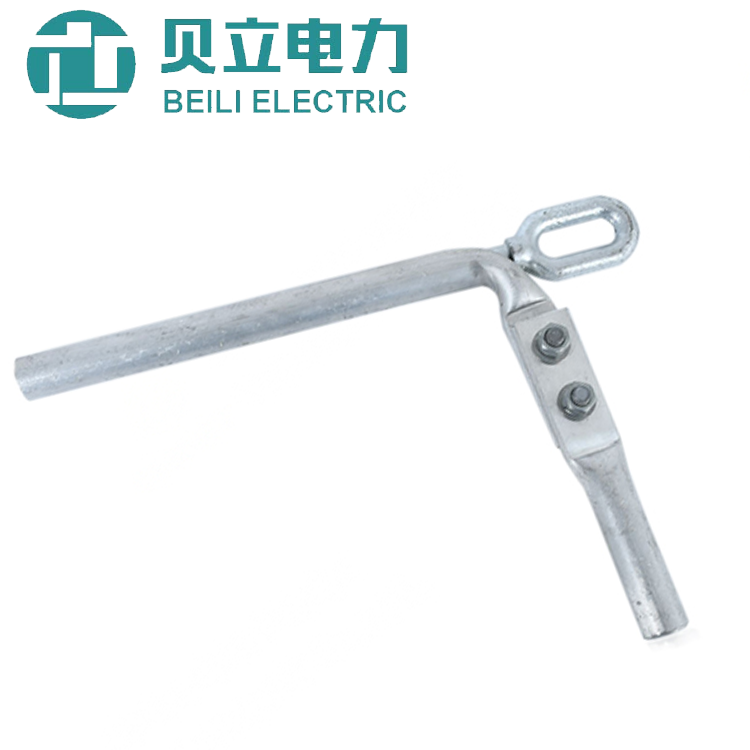
4. NY-BG Strain Clamps: The NY-BG strain clamps are made from high-strength materials including aluminum for electric wires and steel for conductivity. This system is able to fasten wires to strain insulator strings or pole connections, supporting any possible tension produced by wires. Its clean work surface, longevity and ease of setup along with hysteresis loss and carbon footprint reduction make it an outstanding selection.
How to Select the Right Strain Clamp Type
Choosing the correct strain clamp is essential for a successful installation. Several important factors should be taken into account, including:
- Load Requirements: Know the highest tension your cables will face. For tough jobs, steel strain clamps should be used.
- Environmental Factors: In the event that the strain clamps are subjected to challenging environmental conditions, use corrosion-resistant materials, such as composites or galvanized steel.
- Size and Kind of Wire- Make sure that the clamp that you use is intended for the size and kind of cable you are working with since any faulty fit can bring about problems in use.
Installation Best Practices and Safety Tips
To ensure the effective functioning of strain clamps, their correct installation is necessary. Use these recommendations and safety precautions:
- When putting up strain clamps, make sure to wear protective gear for safety, including gloves as well as helmets in case anything goes wrong.
- Ensure that all components are compatible and in good condition before installation.
- Secure the clamps according to the guidelines of the manufacturer, avoiding the excessive tightening that could potentially harm the cable.
- It is imperative to routinely examine the installed strain clamps and relevant components to avert future complications.
Frequently Asked Questions
What is a Strain Clamp?
A strain clamp is a tool used to hold wires and cables firmly under strain to prevent movement and ensure stability.
How Do I Know What Type of Strain Clamp to Use?
To determine the right type, take into account the usage, the circumstances of the environment, the loads that are to be applied, and the specifications of wire.
Are There Safety Tips for Installing Strain Clamps?
Of course, make sure to use protective clothing and instructions provided by the manufacturer in taking care of equipment compatibility during the installation process.
In summary, knowing about the various kinds of strain clamps and their uses can improve the efficiency of your cable systems. The proper clamp can provide you with an installation that will last, taking into account the kind of material used, the load to be applied, and installation techniques. The right strain clamp is essential whether your work is in telecommunications, electrical transmission, or farm fencing.
Post time: Aug-20-2026