 CN
CN
In construction and civil engineering, integrity of connections plays an important role. One of the solutions leading to better connections is the invention of Mechanical shear-head connectors, which are used to provide high shear resistance and, therefore, allow using such fittings in various operations including connections of steel structures with each other and connections of steel and concrete.
What Are Mechanical Shear-Head Connectors?
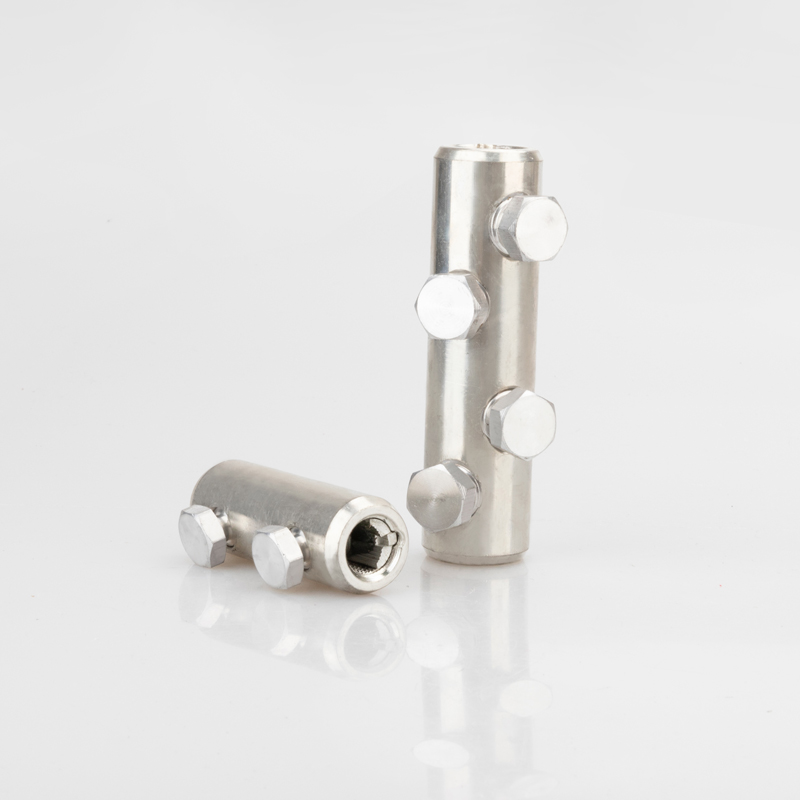
Mechanical Shear-Head Connectors The specialized equipment refers to devices designed to transfer shear forces between two elements of a structure. Normally connectors are used in composite construction systems, as their main function is an effective connection of beams and concrete. In contrast with conventional welded or bolted connection devices, mechanical interface type connectors provide increased operational efficiency and strength.
Key Components and How They Function
A Mechanical Shear Connector typically comprises several important parts. These consist of:
Shear Head: The connector head’s design permits it to contact the concrete slab and thereby provides a large area for load distribution.
Threaded Shaft: It gets inserted into the concrete slab and is affixed in such a way that it can be modified to raise tension during its installation stages.
Locking system is considered to be one of the safety features that guarantee the fact that once the connector is installed, it will be fixed and will not move without intention.
After the assembly of the elements of the device is completed, its operation is straightforward: A shear head exerts force on the surface of the concrete elements, while the screw establishes the connection regardless of bending as well as axial and torsional stress.
Step-by-Step Installation Process Explained
The process of putting in Mechanical Shear-Head Connectors requires meticulous attention to detail.
1. Preparing the Surfaces: Ensure that the surfaces to be bonded are free from any impurities and contaminants. The measurement of the surfaces must be according to the engineering specifications.
2. Drilling: Use a suitable drill to create holes in the concrete slab for the connectors. The holes must be of the right dimensions to be effective and to ensure a proper fit.
3. Situation of the position: Insert the connector’s threaded shaft into the drilled hole, ensuring that the shear head clamps onto the surface of the slab.
4. Locking: Use the locking function on the connector to immobilize it. This is necessary to ensure it can stay in its spot, which is crucial with regard to safety during assembly.
5. Testing: After the completion of the installation process, it is considered a good idea to carry out a load testing to check whether everything is functioning correctly and, in addition, meets all safety standards.
Why Choose Mechanical Shear-Head Connectors?
The advantages of mechanical shear connectors in construction are manifold. The first benefit is reduction in chances of shear failure of the structure due to their design. Additionally, mechanical shear connectors are easy to use and faster to fix than traditional welding methods. Finally, adjustments to the installation can be done after installation to compensate for minor discrepancies in the process of construction.
Conclusion
It is very important that engineers and contractors know how Mechanical Shear-Head Connectors function. The design of the connectors increases joint performance, which leads to better times and reduces installation costs. The contractors can have better building quality as a result of work done with connectors.
Post time: Aug-29-2026