 CN
CN
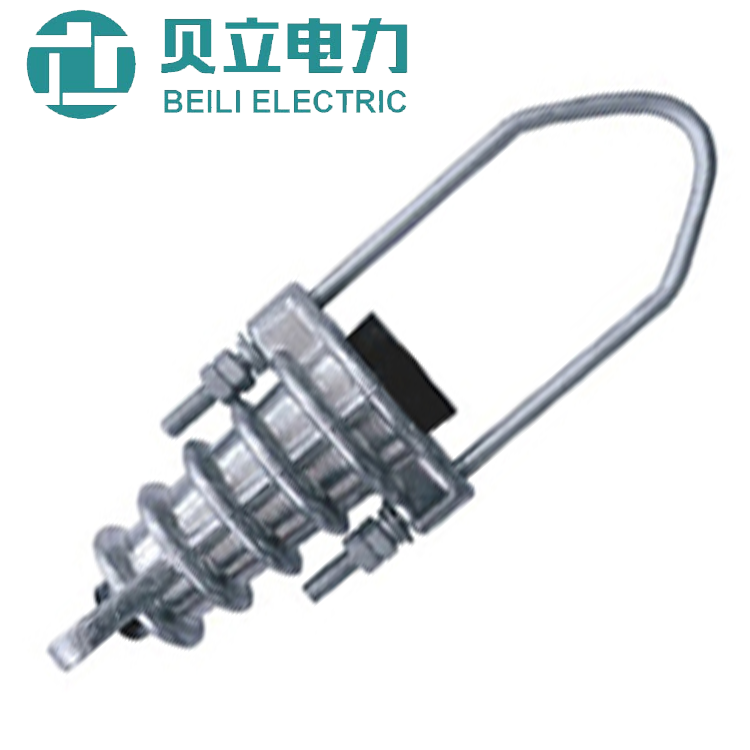
A Strain Clamp Wedge is a specialized device for securely anchoring cables or conductors under tension. It features a unique wedge mechanism that tightens as tension increases, offering a robust grip. Engineers use strain clamp wedges for overhead power lines, telecommunication cables, and various industrial applications where maintaining tension is critical. The design allows for fast installation and delivers high reliability and minimal maintenance compared to traditional clamp types.
Strain Clamp Wedge vs Traditional Clamp: Main Differences
The primary difference between a Strain Clamp Wedge and traditional clamps lies in their operating principles. Traditional clamps rely on manual tightening, often requiring tools and regular adjustments. In contrast, strain clamp wedges self-tighten: as the cable tension rises, the wedge mechanism grips harder, ensuring ongoing security.
Material selection is another key distinction. Strain clamp wedges are typically made from corrosion-resistant aluminum alloys and high-strength polymers, while traditional clamps commonly use steel or basic metals prone to rust and environmental degradation. The wedge design also allows for safer, tool-less installation, reducing labor costs and improving operational efficiency.
Advantages of Strain Clamp Wedges
Professionals prefer Strain Clamp Wedge systems because their installation is quicker, safer, and requires fewer adjustments over time. The wedge mechanism guarantees consistent performance, even as weather conditions or cable tensions fluctuate.
These clamps are widely used in electrical transmission, fiber optics, and agricultural fencing. Their lightweight construction reduces load stress on structures, and their durability means fewer service interruptions or costly replacements, which benefits both buyers and project managers.
Choosing Your Clamp: Strain Clamp Wedge or Traditional Clamp?
Selecting between a strain clamp wedge and a traditional clamp depends on your installation needs. For environments with fluctuating loads, extreme weather, or where easy maintenance is crucial, the strain clamp wedge stands out as the best option. Its self-tightening feature ensures your cables stay secure, reducing the chances of accidents or service disruptions.
Traditional clamps may still be suitable for small-scale or static applications where manual tightening is feasible. However, in large-scale infrastructure projects, telecommunication towers, or places where reliability and efficiency matter most, modern wedge clamps are typically the superior choice.
Common Uses and Popular Designs
Products like the Strainrite wedge clamp and Strainer board wedge clamp represent the latest advances in wedge clamp technology. These are commonly installed on power poles, fiber optic networks, and even trellis systems for vineyards. The popularity of strain clamp wedges continues to grow as industries demand tougher, more reliable cable securing solutions.
FAQs About Strain Clamp Wedges
What Is a Strain Clamp Wedge?
A wedge clamp is a device for tensioning and securing cables, using a self-tightening mechanism that maintains grip as tension increases.
How do Strain Clamp Wedges differ from traditional clamps?
Wedge clamps self-tighten under load, are more resistant to environmental damage, and require less frequent maintenance.
Which clamp is best for my project?
Use strain clamp wedges for high-tension, critical, and maintenance-light installations. Traditional clamps may fit smaller, static projects.
The strain clamp wedge provides major advantages over traditional clamps for most modern applications. Its self-tightening action, durable materials, and efficient installation process solve common buyer and engineer concerns about reliability and safety. For projects ranging from power line installation to telecommunication networks, opting for a strain clamp wedge ensures better performance, fewer maintenance headaches, and long-term satisfaction.
Post time: Sep-19-2026